

Exploring Quantum Computers, Cancer Mapping, and Space Missions
Science is advancing at an incredible pace, giving us tools and knowledge that were once thought impossible. Three major discoveries have made headlines recently: breakthroughs in quantum computing, a new technology for mapping cancer cells, and NASA’s upcoming Artemis II mission around the Moon. This article explores each discovery in detail, explains key terms, and highlights why these advances are important.
🖥️ Quantum Computers: The Future of Computing
What Are Quantum Computers?
A quantum computer is a type of computer that uses principles from quantum physics, such as superposition and entanglement, to perform calculations in ways that classical computers cannot. While a regular computer uses bits that are either 0 or 1, a quantum computer uses qubits, which can be both 0 and 1 at the same time. This allows quantum computers to process huge amounts of information simultaneously.
Recent Breakthrough:
Scientists at IBM successfully used a quantum processor to simulate the properties of a magnetic material—a task that normally requires complicated laboratory experiments. This achievement demonstrates that quantum computers are moving beyond theoretical experiments toward solving real-world problems.
Why It Matters:

- Could revolutionize medicine, helping to design drugs faster.
- Can improve materials science, creating stronger and lighter materials.
- Could solve complex problems in energy, climate modeling, and artificial intelligence.
Fun Fact:
Quantum computers can test millions of possibilities at once, something even the fastest supercomputers cannot do.
🔬 Mapping Cancer: A 3D Approach to Personalized Medicine
What Is Spatial Medicine?
Spatial medicine is a cutting-edge approach that allows scientists to see how cells are arranged in tissues in three dimensions. This gives doctors a “map” of how cancer cells behave, how they interact with surrounding cells, and how the immune system responds.
Recent Breakthrough:
Researchers can now create detailed 3D maps of tumors at the cellular level. This helps doctors predict which treatment—like immunotherapy or chemotherapy—will work best for each patient.
Why It Matters:
- Allows personalized medicine, where treatment is tailored to the patient’s unique biology.
- Increases the success rate of cancer therapies.
- Helps scientists understand cancer at its smallest building blocks—the cells.
Key Definitions:
- Tumor: A mass of abnormal cells in the body.
- Immunotherapy: Treatment that uses the body’s immune system to fight diseases like cancer.
- Cellular Level: Studying processes at the level of individual cells, the basic building blocks of life.
Fun Fact:
Doctors can now track individual cancer cells inside the body, giving them a “cell-level GPS” to guide treatments.
🌕 NASA’s Artemis II: Humans Orbit the Moon Again
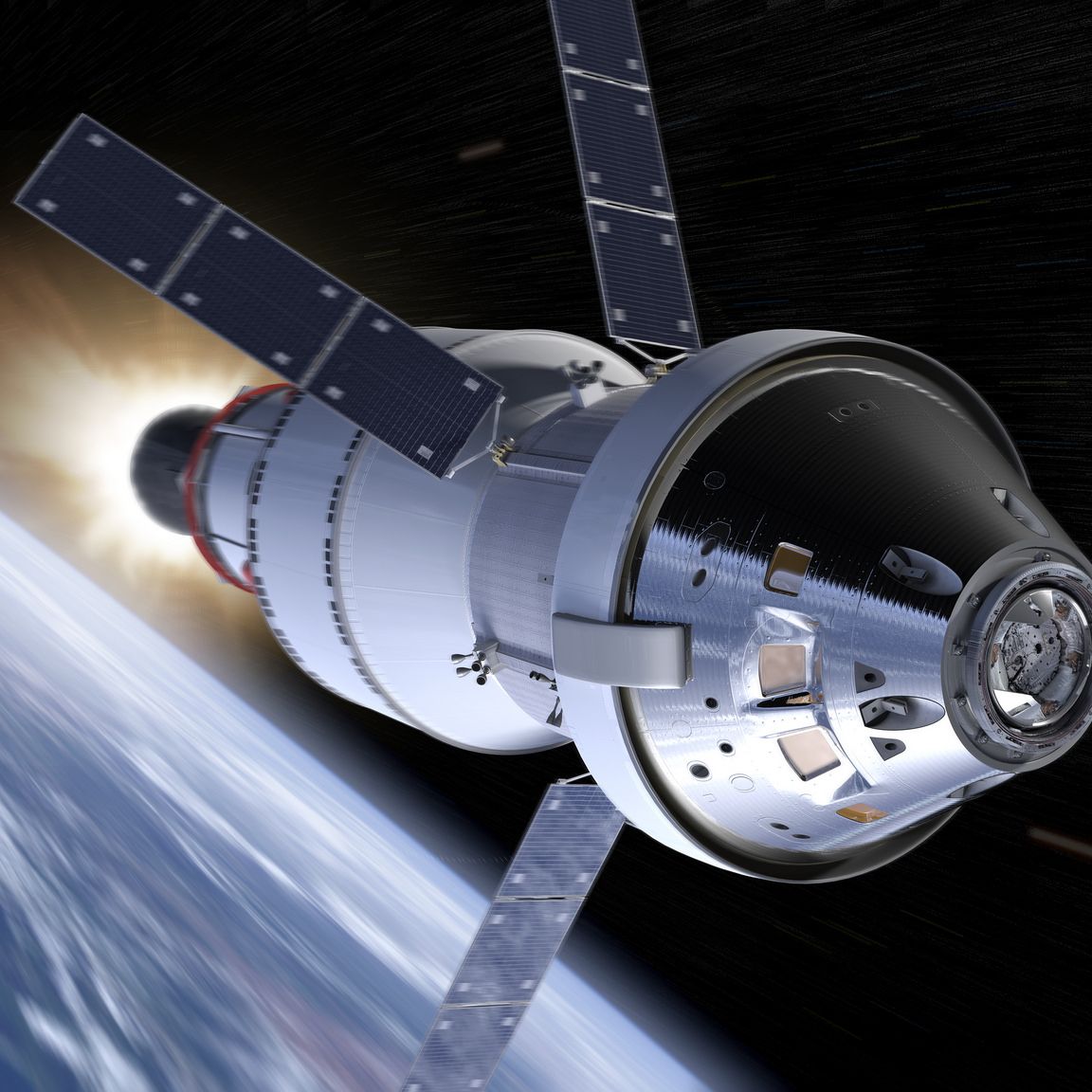
What Is Artemis II?
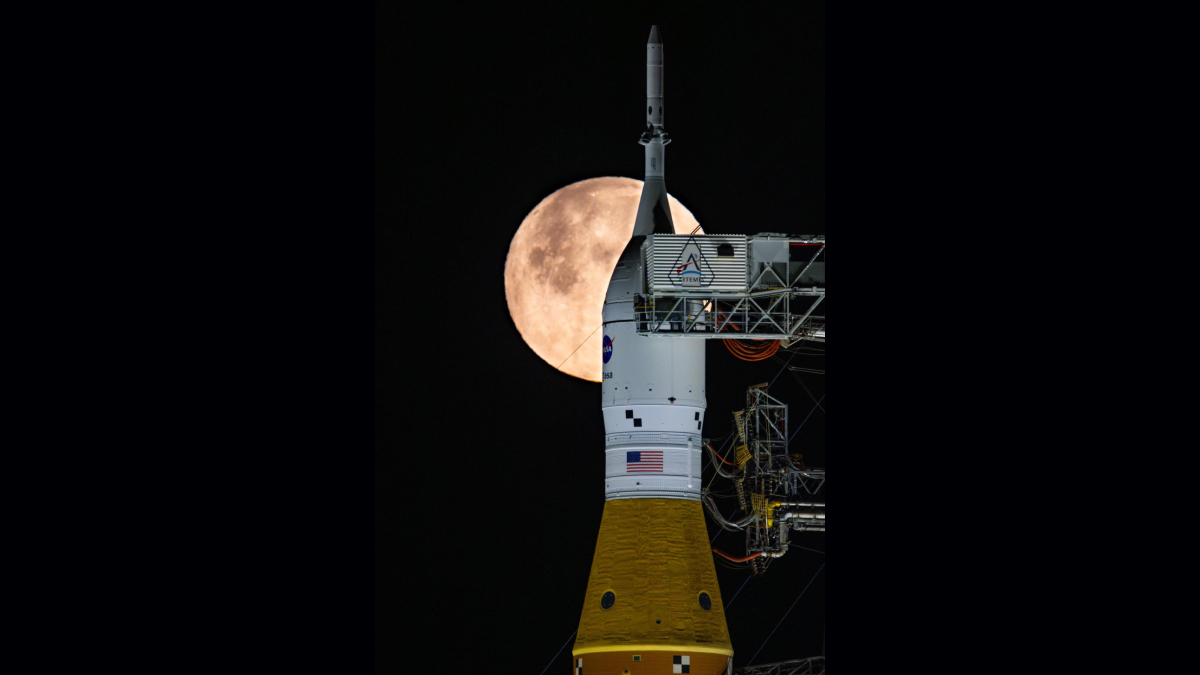
NASA is preparing the Artemis II mission, which will send astronauts around the Moon for the first time since the 1970s. This mission is part of NASA’s larger Artemis program, which aims to return humans to the Moon and prepare for future trips to Mars.
Mission Goals:
- Study how space travel affects the human body, including radiation exposure, sleep, and stress.
- Conduct experiments using micro-labs to observe how human cells respond to deep-space conditions.
- Collect data to improve astronaut safety for long-duration missions.
Why It Matters:
- Provides critical knowledge for long-term space exploration.
- Helps scientists understand how radiation and microgravity impact human health.
- Inspires the next generation of scientists, engineers, and astronauts.
Key Definitions:
- Radiation: Energy traveling through space that can affect cells and DNA.
- Microgravity: The condition of near weightlessness experienced in space.
- Orbit: The path of a celestial object around a planet or star.
Fun Fact:
The astronauts on Artemis II will travel beyond Earth’s magnetic shield, something only a handful of humans have experienced.
🔍 Conclusion: Why These Discoveries Matter to Students
- Quantum Computing: Shows how math and physics can create new technologies.
- Cancer Mapping: Demonstrates how biology and medicine can save lives.
- Space Missions: Combines engineering, physics, and human biology to push boundaries.
Science is not just for laboratories or textbooks. Today’s students could be the ones building quantum computers, discovering new ways to fight disease, or traveling to the Moon and beyond. Staying curious, learning deeply, and exploring new ideas are the keys to becoming tomorrow’s pioneers.
Takeaway:
Science is everywhere—understanding it can help students make discoveries, solve problems, and even change the world.